Zipline - Delivery Food and... Blood? Via Drone
From blood deliveries in Rwanda to burritos in Dallas, in under a decade

The Burrito in a Private Taxi
In 2016, hospitals in Rwanda were running out of blood mid-surgery. The terrain was too mountainous, the roads washed out in the rainy season, and a delivery that should take 30 minutes was taking hours. A startup from California decided to fix it with drones. Two million deliveries later, they’re dropping Chipotle orders from 300 feet above Dallas.
That is the Zipline story, and it is a genuinely strange one.
How It Works
Most delivery drones work like helicopters, hovering the entire time and burning energy to stay aloft. The P2 takes off vertically, transitions into fixed-wing flight, and cruises at 70 miles per hour. Fixed-wing flight is dramatically more efficient than hovering, which is how a single drone can carry up to eight pounds of cargo within a ten-mile radius, recharging autonomously at each dock. Wikipedia Flying dock to dock, a single P2 can cover 24 miles without returning to base. As Zipline adds docks across a city, the coverage compounds: more range, more speed, more capacity, without adding a single truck to the road.
When the drone arrives at your home, it doesn’t land. It hovers at 300 feet and lowers a small self-stabilizing pod on a wire. The pod has its own thrusters and sensors, maneuvers itself into position against the wind, and drops the package within a one-meter circle. Then it retracts, and the drone flies away. The whole thing is so quiet that Zipline recently added an audible beep on approach because customers often didn’t realize a delivery was happening.
Compared to a standard gas-powered delivery vehicle, the system uses 97% less energy. Electrek Which makes sense, when you think about it. A delivery truck weighs 3,000 pounds. The vast majority of packages it carries weigh less than five pounds. Revolution You are burning a combustion engine to move a ratio. Zipline replaced the truck with something closer to a large bird.
The Software Is Half the Product
The routing system is almost as interesting as the aircraft itself. Rather than assigning each drone a fixed route, the software figures out in real time which drone goes where based on where demand is spiking. A lunch rush in one neighborhood pulls drones from across the network automatically. The drones themselves never touch the ground between deliveries. They hang from their docks between flights, charging, waiting for the next dispatch.
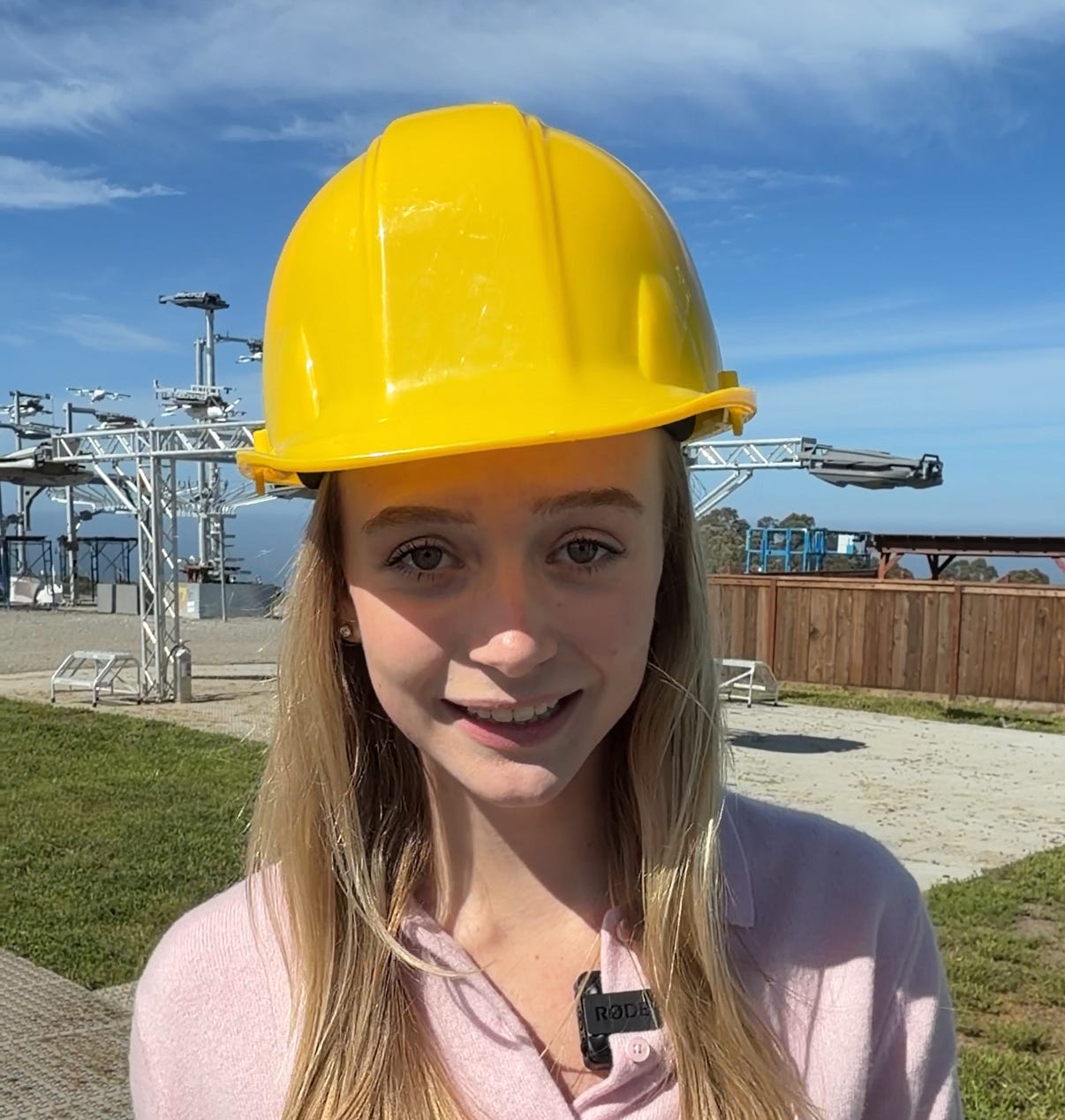
I visited the test site near San Francisco and asked one of the engineers on site what the hardest engineering problem was, expecting an answer about aerodynamics or battery chemistry. His answer was more interesting. The aircraft, he said, represents about 15% of the overall complexity. The rest is everything that has to work around it: FAA airspace approvals, partner integrations, ground infrastructure, logistics software, operations teams in each city. You could have a perfect drone and still be years away from running an actual delivery network. Zipline has been building all of those layers simultaneously since 2014, which is a significant part of why they are so far ahead of everyone else.
Zipline’s first location in Dallas took ten weeks to reach 100 deliveries per day. New sites now reach that same volume in about two days. The Robot Report That compression is what a decade of iteration looks like.
Rwanda
Rwanda has mountainous geography and poor road conditions, making aerial delivery far more efficient than ground transportation. Wikipedia Before Zipline, getting blood to a remote hospital in an emergency could take hours. By road, the median round-trip delivery time was well over two hours. The drones cut that dramatically. A peer-reviewed study in The Lancet found a 67% reduction in blood product expirations at the hospitals Zipline served. The Lancet
The Rwanda program also produced the design insight that defines the P2. When the team first tried lowering packages on a wire, the wind blew the package completely sideways. That problem, and the years of iteration required to solve it, is exactly why the delivery pod has its own thrusters today. The thing that makes the Dallas system work was discovered in a mountainous country in East Africa, where the stakes were a lot higher than a burrito.
Who’s Actually Using This
When I asked who the most frequent customers are, I expected to hear about tech early adopters. The actual answer was more human. A Zipline team member told me it’s mostly single parents who don’t have time to load a kid into a car seat and run an errand, and older adults who aren’t comfortable driving regularly or who need a prescription filled without the hassle of going to a pharmacy. One customer sent Zipline cookies, made with ingredients they had ordered through the service.
That detail matters because it says something about what drone delivery actually is when it works. It isn’t a novelty for people who want to show off. It’s a convenience that quietly removes a small but real friction from people’s days, for the people who feel that friction most.
Where It’s Going
Zipline’s Series H round started at $600 million in January 2026 and grew to $800 million after investor demand exceeded the initial target, bringing the company’s valuation to $7.6 billion. TechCrunch The company is expanding to at least four new US states in 2026, with Houston and Phoenix already announced, and US deliveries have grown approximately 15% week over week for the past seven months. TechCrunch
They are also returning to Rwanda with the P2, this time for consumer deliveries in Kigali alongside their continued medical work. The company that figured out how to get blood to mountain hospitals is now figuring out how to get lunch to your backyard, and it turns out the underlying engineering problem is nearly identical.
As of January 2026, Zipline’s drones have completed more than two million commercial deliveries and flown over 120 million autonomous miles. Wikipedia The drone is quieter than the wind. The package lands within a one-meter circle. And it all started because a hospital in Rwanda was running out of blood.
You’re welcome.
I used to believe u were an AI from watching ur short videos 😅😅
Living near the sea, can I say that "quieter than the wind" is meaningless. When we get wind, it is LOUD.
Unless Zipline has a wonderous, magically silent done, you may want to ask the residents of Coolmine in Dublin what they think of the local Manna done hub. They really hate it - apparently the pitch and random timings of the drones make them exceedingly annoying.